
THE MINOR PROPHETS
The apocryphal book of Ecclesiasticus speaks of “the twelve prophets” (9:10) as a unit of writings parallel to Isaiah, Jeremiah, and Ezekiel. “The twelve prophets” is a way of speaking of what we know today as the Minor Prophets. It is likely that these books were originally collected on a single scroll. Augustine was the first writer we know of to call the “Minor Prophets,” referring, not to the insignificance of their message, but to the relative brevity of their message when compared to Isaiah, Jeremiah, and Ezekiel.
The Jewish canon placed these works in the order it was believed they were written in, and they appear in that order in our English Bible. Hosea, Joel, Amos, Obadiah, Jonah, and Micah were thought to have been written at the peak of Assyrian power. Nahum, Habakkuk, and Zephaniah were believed to have been written during the decline of Assyrian power as Babylon began its politico-military ascendancy. Haggai, Zechariah, and Malachi were written after the Babylonian exile, when God’s people returned to Jerusalem.
Largely speaking, the Minor Prophets were concerned about Israel and Judah’s covenant obligations—specifically, the way in which they failed, time and again, to live up to these obligations. For the most part, these prophets rebuked the people for their covenant unfaithfulness and warned them of God’s impending judgement. James Montgomery Boice captures the theological significance of these books: “They highlight God’s sovereignty, holiness, and] love. In the Minor Prophets, we will hear the voice of God speaking to us in a fresh way as individuals and as a spiritual fellowship in the church.”

A Contemporary and Universal Problem (Joel 3)
Joel 3 offers Yahweh’s people wonderful promises of restoration and warns those who oppress his people of severe judgement. Verse 16 perhaps captures these two elements best: “The LORD roars from Zion, and utters his voice from Jerusalem, and the heavens and the earth...

As He Is (Joel 2)
Joel 2 contains some of the most beautiful descriptions of divine comfort in the Minor Prophets. Yahweh’s people are assured of the “pity” he felt for them (v. 18) and are promised “grain, wine, and oil” so that they will be “satisfied” (v. 19). Thy are told to “fear...

Teachable Moments (Joel 1)
Some events in life prove to be particularly teachable moments. Many of these come upon us unexpectedly: the unexpected death of a young person; the unanticipated loss of financial security; or the sudden diagnosis of a dread disease. When these arise without warning,...

Choices (Hosea 14)
It has been quite a journey in the book of Hosea. We have considered Israel’s religious whoredom against God and God’s punishment because of it. God has built an indefensible case against his people (chapters 3–12) and has warned them of inescapable judgement (chapter...

He Cares (Hosea 13)
Hosea 13 marks a final shift in the book. After the introductory, narrative section in the opening three chapters, chapters 4–12 contain, in essence, the Lord’s case against Israel. In that middle section, he delivers a series of accusations and pronounces them to be...
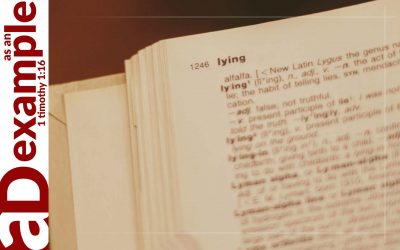
The Sinfulness of Deceit (Hosea 11:12–12:14)
The writer to the Hebrews exhorted his readers to be on guard against, and to warn one another about, “the deceitfulness of sin” (3:13). Sin is deceitful. Our focus in these devotions is not on Hebrews, however, but on Hosea. Hosea 12 focuses very heavily on the...